The distance between a rural woman and help
In a city, help is a bus ride or a short drive away. In rural Texas, it can be an hour or more each way — if the service exists at all. Distance doesn't just delay care; it multiplies every other barrier a woman in crisis already faces. Here is what the data shows, sourced and dated throughout.
The gap, by the numbers
3.5 vs 13.0
psychiatrists per 100,000 residents in rural counties, compared with urban counties — roughly a quarter of the supply. WWAMI Rural Health Research Center, 2022, via RHIhub
40.8% vs 9.4%
of small and isolated rural ZIP code areas require a 30-minute drive or longer to reach any mental-health facility, compared with urban areas. USC Rural Health Research Center, 2025
82%
of rural residents live in a county with no detoxification services at all — meaning withdrawal has to happen somewhere else, if it happens under supervision at all. Maine Rural Health Research Center, via RHIhub, 2025
What rural isolation looks like in this state
Texas is enormous, and most of it is rural. The shortage isn't confined to a few remote counties — it's the statewide default.
- 246 of 254 Texas counties (97%) are wholly or partly federal Mental Health Professional Shortage Areas. (Texas DSHS/HRSA, via Texas Tribune, 2024)
- 170 of 254 Texas counties have no psychiatrist at all. (Texas DSHS Health Professions Resource Center, 2023, via Texas Tribune)
- 49.6% of Texas counties are maternity care deserts, with no hospital or birth center offering obstetric care and no obstetric provider. (March of Dimes, 2024)
- Texas has led the nation in rural hospital closures since 2005. (Cecil G. Sheps Center, UNC) ⚠ Cumulative counts vary by tracker, roughly 20 to 24 hospitals depending on the source and date pulled.
Hood County, where Mercy Manor is located, sits inside this pattern — a growing county on the edge of a metro area, but still governed by the same rural math as the rest of the state once you look past the county line. More on local need in Hood County.
Why rurality multiplies every other barrier
Distance isn't just an inconvenience layered on top of a woman's other problems. It changes the shape of every problem she has.
The drives stack
A rural woman in crisis rarely needs just one appointment. She may need detox, then a mental-health evaluation, then an intimate-partner-violence advocate, then a follow-up — and in a county without any of those services, each one can mean a separate drive of 30, 40, or more miles. 40.8% of small and isolated rural ZIP areas require at least a 30-minute drive to any mental-health facility, against 9.4% of urban areas. (USC Rural Health Research Center, 2025) A woman without reliable transportation, without gas money, or without childcare for the length of a round trip can find the drive alone is the barrier — not the care itself.
Telehealth is undercut by the broadband gap
Telehealth is often proposed as the fix for rural distance, but it assumes a working internet connection. 27.8% of households in small and isolated rural areas lack a broadband subscription, compared with 19.3% of urban households. (USC Rural Health Research Center, 2025) For more than a quarter of rural households, a video appointment isn't a shortcut around the drive — it isn't available at all.
Anonymity and stigma cut both ways
In a small town, the same parking lot that serves the only counselor's office may also serve the pharmacy, the church, and half the county's gossip. Where a city offers anonymity, a rural community often doesn't — and for a woman seeking help for addiction, abuse, or mental illness, being recognized can feel like its own cost. Some rural residents drive farther than necessary specifically to be seen somewhere no one knows them.
Fewer beds cover more ground
Specialized services that do exist in rural areas typically cover many more counties per site than their urban counterparts. Over 25% of women in small and isolated rural areas live more than 40 miles from the nearest intimate-partner-violence program, compared with under 1% of urban women. (Peek-Asa et al., Journal of Women's Health, 2011) ⚠ This is a single-state (Iowa) study — it's the most-cited distance data available on this question, but it should be read as an illustration of the pattern rather than a national figure.
Why Mercy Manor is built where it's built
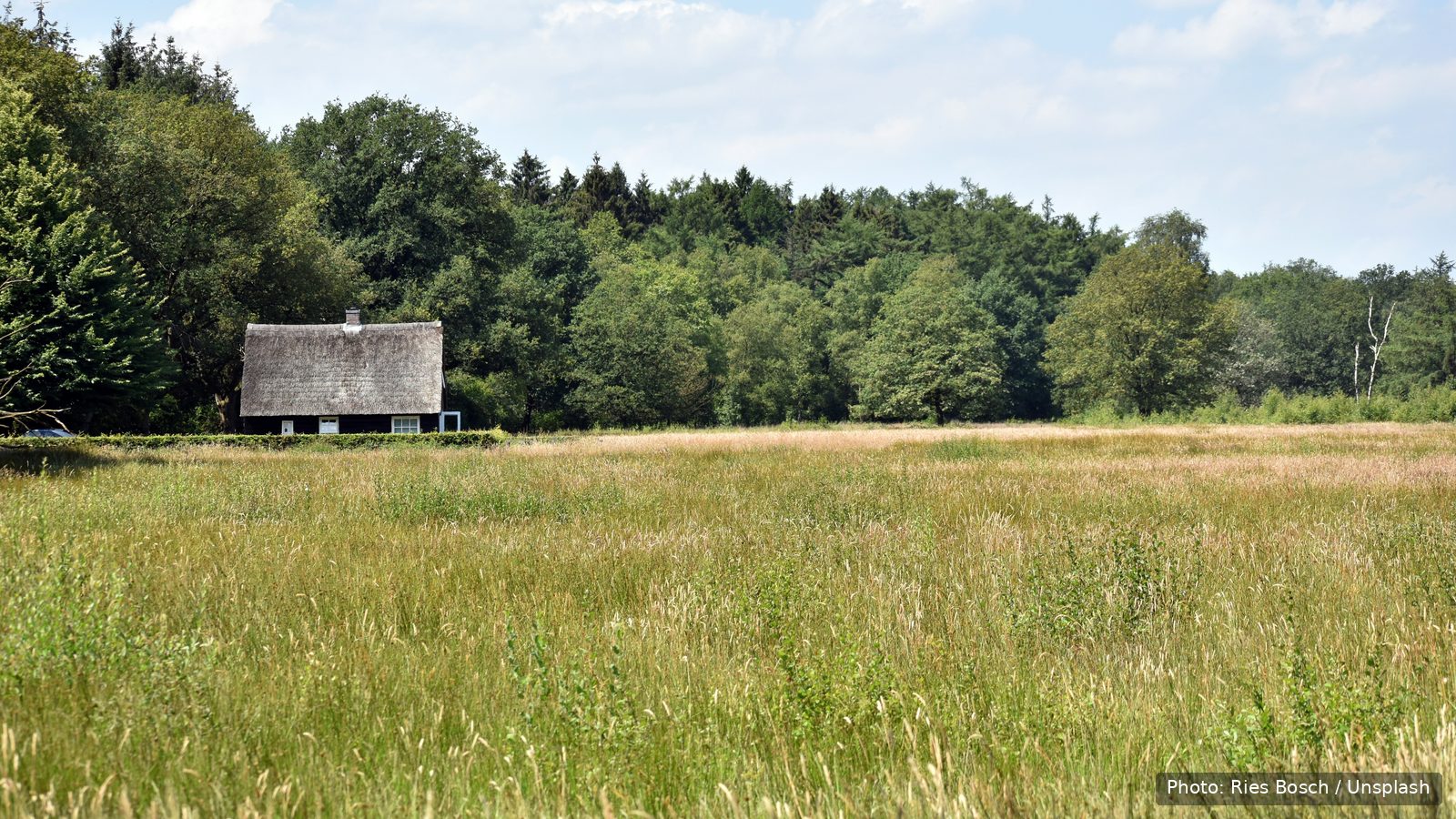
Mercy Manor is a rural Hood County program built for exactly this gap. A woman here should not have to drive to Fort Worth or Dallas to rebuild her life — the housing, structure, and support that make a year of recovery possible are meant to exist where she already is.
A year of that support costs roughly $6,000 per woman — about $500 a month. For a woman who would otherwise be driving past county lines to find a bed, a provider, or a program that exists at all, that gift is often the difference between finding help and finding none.
Help close the distance for a rural woman
Right here
Nowhere to go
The care gap
Our county
The full picture
Why a year
Every figure, sourced
- WWAMI Rural Health Research Center, via RHIhub. Rural and urban psychiatrist supply per 100,000 residents. 2022. ruralhealthinfo.org
- USC Rural Health Research Center. Access to and Quality of Mental Health Services in Rural America. Drive-time and broadband-subscription figures for small/isolated rural vs. urban areas. 2025. ruralhealthresearch.org
- Maine Rural Health Research Center, via RHIhub. Share of rural residents in counties with no detoxification services. 2025. ruralhealthinfo.org
- Peek-Asa, C. et al. Distance to intimate-partner-violence programs among rural and urban women. Journal of Women's Health, 2011. pmc.ncbi.nlm.nih.gov — a single-state (Iowa) study; presented as the most-cited distance data available, not a national figure.
- Texas Department of State Health Services / HRSA, via Texas Tribune. Mental Health Professional Shortage Area and psychiatrist-county figures. 2024. texastribune.org
- March of Dimes. Texas maternity care desert data. PeriStats, 2024. marchofdimes.org
- Cecil G. Sheps Center for Health Services Research, UNC. Rural hospital closures by state. shepscenter.unc.edu — cumulative closure counts vary by tracker and pull date, roughly 20–24 hospitals for Texas.
Last reviewed: July 2026. Every figure is dated and linked to its source; we refresh as new data publishes.
FAQ
Do rural areas really have fewer mental-health providers than cities?
Yes. Rural counties average 3.5 psychiatrists per 100,000 residents, compared with 13.0 per 100,000 in urban counties — roughly a quarter of the supply. (WWAMI Rural Health Research Center, 2022, via RHIhub) On top of that, 40.8% of small and isolated rural ZIP code areas require a 30-minute drive or longer to reach any mental-health facility at all, versus 9.4% of urban areas. (USC Rural Health Research Center, 2025)
Can't telehealth just solve the rural access gap?
Not on its own. 27.8% of households in small and isolated rural areas lack a broadband subscription, compared with 19.3% in urban areas. (USC Rural Health Research Center, 2025) A video appointment assumes a reliable connection a large share of rural households don't have, which is why distance and coverage gaps persist even where telehealth programs exist.
What about detox and domestic-violence services in rural areas?
Both are scarce. 82% of rural residents live in a county with no detoxification services at all. (Maine Rural Health Research Center, via RHIhub, 2025) And more than 25% of women in small and isolated rural areas live over 40 miles from the nearest intimate-partner-violence program, compared with under 1% of urban women. (Peek-Asa et al., Journal of Women's Health, 2011 — a single-state Iowa study, though the most-cited distance data available.)
How does Texas reflect this rural gap?
246 of Texas's 254 counties (97%) are wholly or partly federal Mental Health Professional Shortage Areas, and 170 counties have no psychiatrist at all. (Texas DSHS/HRSA, via Texas Tribune, 2024) Nearly half of Texas counties — 49.6% — are maternity care deserts (March of Dimes, 2024), and Texas has led the nation in rural hospital closures since 2005, though the cumulative count varies by tracker, roughly 20 to 24 hospitals. (Cecil G. Sheps Center, UNC)