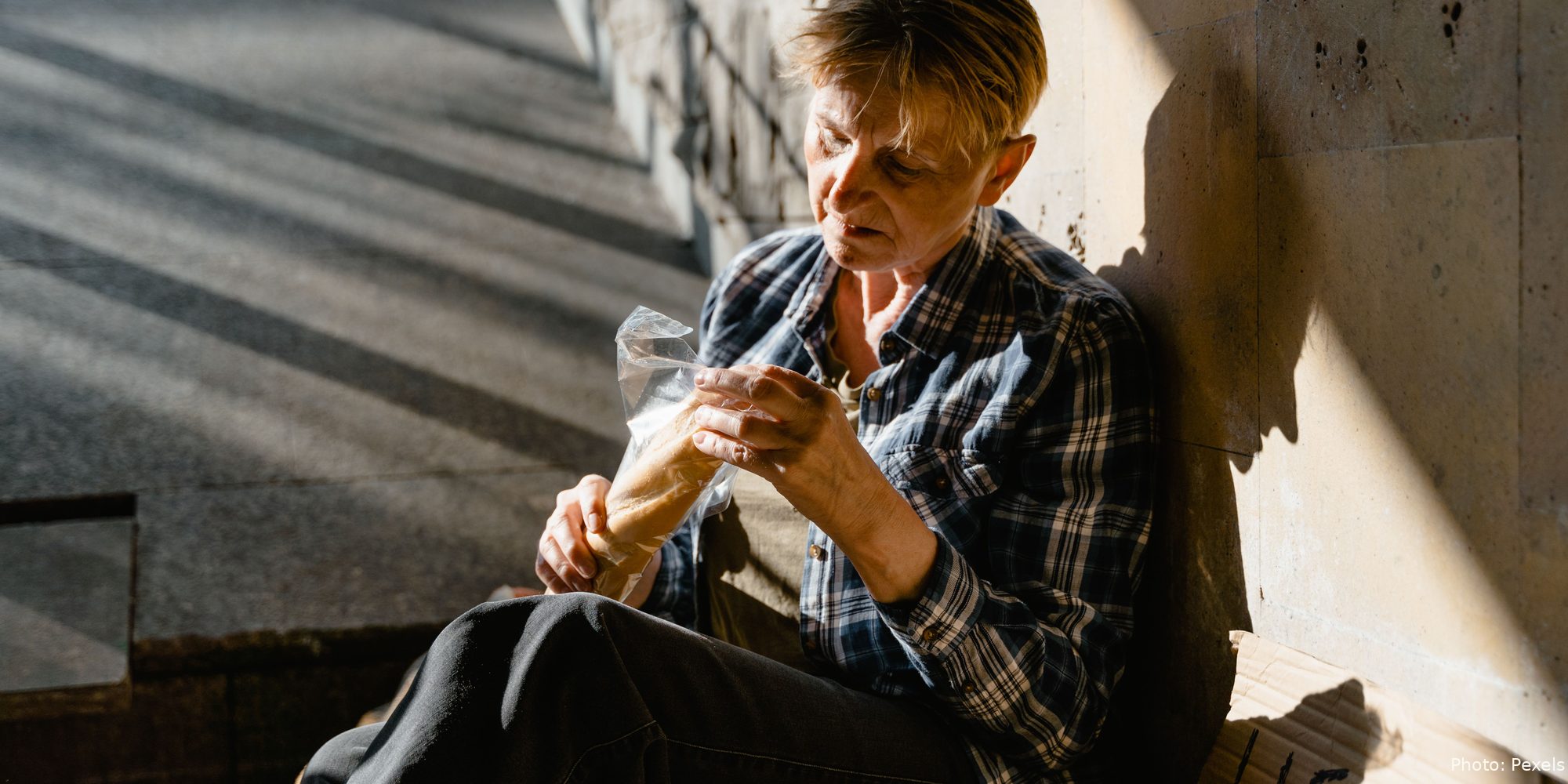
A rise that's outpacing men's homelessness
Homelessness among women is not a fringe issue, and it's getting worse faster than most people realize. According to the National Alliance to End Homelessness, using 2024 HUD data, 18 out of every 10,000 women experienced homelessness in 2024 — a 19% increase from 2023. Homelessness among women rose faster than among men, which means whatever is driving the broader rise in homelessness nationally is landing on women with particular force.
The most direct cause: a lack of affordable housing
It's tempting to look for an explanation rooted in individual choices or personal failure. The data points somewhere else. The National Alliance to End Homelessness identifies the most direct cause of homelessness as a lack of affordable housing, full stop. Low-income workers are at increased risk because wages have stagnated while housing costs have continued climbing — a gap that has produced what the Alliance describes as an unprecedented, affordability-driven rise in homelessness nationally.
This matters because it reframes the whole question. Homelessness isn't primarily a story about people who made bad decisions. It's substantially a story about an economy where the cost of a stable place to live has outrun what a growing share of workers can actually afford — and women, who are more likely to hold lower-wage work and carry caregiving responsibilities alone, are especially exposed to that gap.
Rarely just one thing — a chain of hard events
Affordable housing is the most direct cause, but for most women, the path into homelessness runs through more than a housing shortage alone. It's very often the endpoint of a chain that started with domestic violence, addiction, or family estrangement — one hard thing making the next hard thing more likely, until the ground underneath her is gone.
- Domestic violence. Leaving an abusive relationship often means leaving housing, income, and support at the same time — sometimes with children, sometimes with nowhere pre-arranged to go. The National Domestic Violence Hotline (1-800-799-7233) is free, confidential, and available 24/7 if leaving isn't safe to plan alone.
- Addiction. Substance use can cost a job, a lease, or a family's willingness to keep offering a couch, often in that order.
- Family estrangement. A relationship that breaks down — with a parent, a partner, or the family that raised her — can remove the safety net most people don't realize they're relying on until it's gone.
This is consistent with what Mercy Manor sees in the broader population of women it exists to serve: women rarely arrive carrying just one hard thing. Homelessness, addiction, and abuse tend to travel together, each one making the others more likely and harder to escape alone.
This isn't about personal failure
It's worth saying directly: a woman experiencing homelessness has not simply failed to try hard enough. The data shows an affordability crisis colliding with real, common life crises — violence, addiction, family breakdown — that can happen to anyone. Blame is not a useful lens here. Understanding the actual chain of events is.
What "hidden homelessness" actually looks like
When most people picture homelessness, they picture someone visibly on the street. For many women, that picture is wrong. A large share of homeless women are what's often called the "hidden homeless" — couch-surfing between friends or family, cycling between unstable or unsafe living situations, or staying in a relationship they would otherwise leave because they have nowhere else to go.
This distinction matters because it means a woman can be genuinely homeless — without a stable, safe place of her own — while never appearing in the images most people associate with the word. She may look, from the outside, like someone who's doing fine. Recognizing hidden homelessness means not waiting for it to look like the stereotype before taking it seriously.
What actually helps
Because the causes are rarely singular, the path forward usually isn't either. Stable housing matters, but so does addressing whatever chain of events led there — safety from an abuser, treatment for addiction, or rebuilding a severed family relationship. Programs that treat only the housing gap, without addressing what caused it, tend to see women cycle back through the same crisis. Programs built around the whole person — housing alongside counseling, life skills, and community — are far more likely to produce a stable outcome that lasts.
Common questions
Is homelessness among women increasing?
Yes. According to the National Alliance to End Homelessness using 2024 HUD data, 18 out of every 10,000 women experienced homelessness in 2024, a 19% increase from 2023 — and homelessness among women rose faster than among men.
What is the main cause of homelessness among women?
The National Alliance to End Homelessness identifies lack of affordable housing as the most direct cause of homelessness. Low-income workers are at increased risk because wages have stagnated while housing costs have climbed, producing an affordability crisis behind the recent rise in homelessness. For many women, that housing crisis intersects with domestic violence, addiction, or family estrangement rather than existing on its own.
What is "hidden homelessness" and why does it matter for women specifically?
Hidden homelessness describes people without stable housing who are not visibly on the street — couch-surfing with friends or family, cycling between unsafe or unstable situations, or staying in a relationship they'd otherwise leave because they have nowhere else to go. Many homeless women fall into this category, which means the scale of women's homelessness is often undercounted by visible-homelessness stereotypes.